
Landscape Architect in Fort Worth, TX
Design Your Next Project With Fort Worth’s Landscape Experts
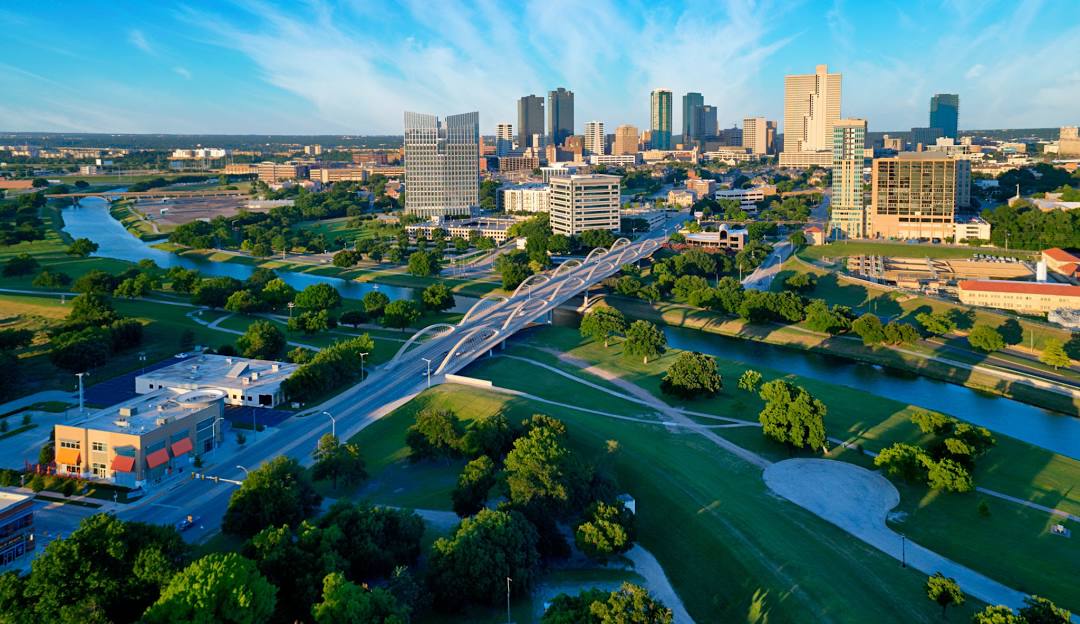
Transform your property into a functional, beautiful space that thrives in Fort Worth’s unique climate and character. From the shady, tree-lined banks of the Trinity River to the modern builds in Alliance, every neighborhood comes with its own style, soil conditions, and challenges.
At Evergreen Design Group, our Fort Worth landscape architects design with these realities in mind—selecting plants that flourish in local soil, creating irrigation systems that conserve water, and shaping outdoor spaces that feel like natural extensions of their surroundings.
Whether you’re developing an urban infill near West 7th or planning a multi-acre community on the city’s edge, we deliver designs that blend beauty, function, and long-term performance.
Who We Serve in Tarrant County
From downtown revitalization to large-scale developments, we deliver landscape designs shaped by Fort Worth’s climate and neighborhood identity.
We frequently partner with:
- Land developers seeking site-responsive planting, irrigation, and outdoor space planning for residential and commercial projects.
- Civil engineers who need coordinated grading, drainage, and landscape plans that integrate with the overall site design.
- Architects looking to complement building design with planting palettes, outdoor circulation, and hardscape layouts.
- Program managers oversee multi-phase developments that require cohesive landscape planning across multiple sites.
- Design/build contractors requiring detailed, buildable plans that meet specifications and regulatory standards.
Evergreen Design Group applies a disciplined, detail-focused approach to every project—producing landscapes that stay on schedule, uphold quality, and excel in Fort Worth’s unique environment.
Our Fort Worth Landscape Architecture Services
With more than 20 years of experience in Fort Worth and the surrounding region, we develop site plans and planting strategies that align with local needs and project goals. Services cover every stage of site planning and planting, including:

Our land planning services organize the overall layout of a site so every landscape element has its place and purpose. In Fort Worth, that means working with expansive clay ground conditions, grading to protect planting areas, and arranging gathering spaces for shade and comfort during the summer heat.
Our Conceptual Site Plans (CSPs) show how lawns, gardens, tree canopies, and pathways will connect across the property, ensuring every inch of your property is functional, visually cohesive, and suited to Fort Worth’s conditions.

Protecting existing trees is a priority in Fort Worth, particularly east of I-35W, where post oaks and blackjack oaks are subject to stricter preservation rules. The Urban Forestry program mandates review and mitigation for removing large trees—commonly 27 inches DBH or greater—and grants additional protections to specific species.
Our tree disposition plans include preparing tree surveys, calculating mitigation requirements, and designing to preserve valuable canopy whenever possible. When specialized assessment is needed, we coordinate with certified arborists to support preservation and keep projects moving through approvals

The combination of alkaline soils, reflected heat from paving, and unpredictable winter freezes means Fort Worth landscapes require tough, climate-appropriate plants. We create planting designs with hardy native and adapted species such as live oak, cedar elm, desert willow, Shumard oak, and Mexican plum.
Flowering shrubs like Texas sage and agarita offer structure and seasonal color, while perennials and grasses—Turk’s cap and inland sea oats—provide texture and habitat value. Every plan considers microclimates, exposure, and irrigation zones to help landscapes thrive with less water and maintenance.

Irrigation in Fort Worth must meet Texas Commission on Environmental Quality standards and Fort Worth Water rules, including approved backflow prevention assemblies. Our irrigation designs group plants with similar water needs into separate zones—turf, shaded beds, and foundation plantings—so each area gets the right amount of water without waste.
Drip systems in narrow spaces prevent overspray, and weather-based controls adjust schedules automatically for rainfall and seasonal changes, conserving water while keeping landscapes healthy.

Fort Worth’s vitality is fueled by well-planned gathering places—from local parks in Ridglea Hills to lively outdoor areas in the River District. We design amenities like pool and deck layouts, shaded pavilions, trails, sports courts, picnic areas, and landscaped seating that fit the site and purpose.
Every design blends visual appeal with practical use, resulting in spaces that are accessible, long-lasting, and low-maintenance. In commercial settings, amenities may also feature outdoor meeting areas, workspaces, and seating that promote interaction and activity.

In Fort Worth landscapes, hardscape elements create structure and usability for outdoor spaces. Our design work includes decorative stone or brick walkways, retaining walls that double as seating, garden edging, and plazas that integrate with surrounding plantings.
We specify materials and patterns that complement the site’s architecture while performing well in the region’s climate, for example, light-colored pavers that reflect heat or textured finishes that provide grip in wet weather. We account for the expansion and contraction of Fort Worth’s clay soils, ensuring every design lasts for years to come.
What Sets Evergreen Design Group Apart in Fort Worth
When you work with a Fort Worth landscape architect, you need a space that functions, endures, and adds lasting value. Here’s what makes us the go-to choice for property owners, developers, and planners across the Dallas–Fort Worth area:

Local expertise
With over two decades of experience in Fort Worth, we know the city’s soils, climate, and codes, helping your project succeed while meeting all requirements.
Comprehensive services
Our team oversees it all, including land planning, planting, irrigation, hardscape design, and amenities, to keep the process seamless and efficient.
Regulatory know-how
We navigate tree preservation laws, irrigation standards, and permit requirements to keep your project moving without unnecessary setbacks.
Tailored solutions
Every plan is designed specifically for your site, vision, and maintenance needs.
Proven results
Our portfolio spans residential neighborhoods, commercial developments, public parks, and private estates throughout the region.
Start Building Your Fort Worth Landscape Design
In the Dallas–Fort Worth area, the right outdoor design can turn any empty lot into a purposeful space that’s beautiful, functional, and built to last—whether you’re a private property owner or a city planner.
We deliver landscape architecture services built for Fort Worth’s neighborhoods, sites, and growth patterns from the first site review to the final plan. Whether the project requires planting plans, irrigation layouts, tree preservation, or full site planning, each service is tailored to your property and long-term goals.
Let’s talk about your vision. Contact Evergreen Design Group today to begin shaping a landscape that reflects your site, needs, and Fort Worth’s character.
Get in Touch with Us
Interested in transforming your outdoor space? Fill out the form below, and our team will get back to you soon.